LED Grow LightsGrowing GuideSpider Farmer
The Complete Guide to LED Grow Lights for Indoor Growing
GeniusGrower8 min read
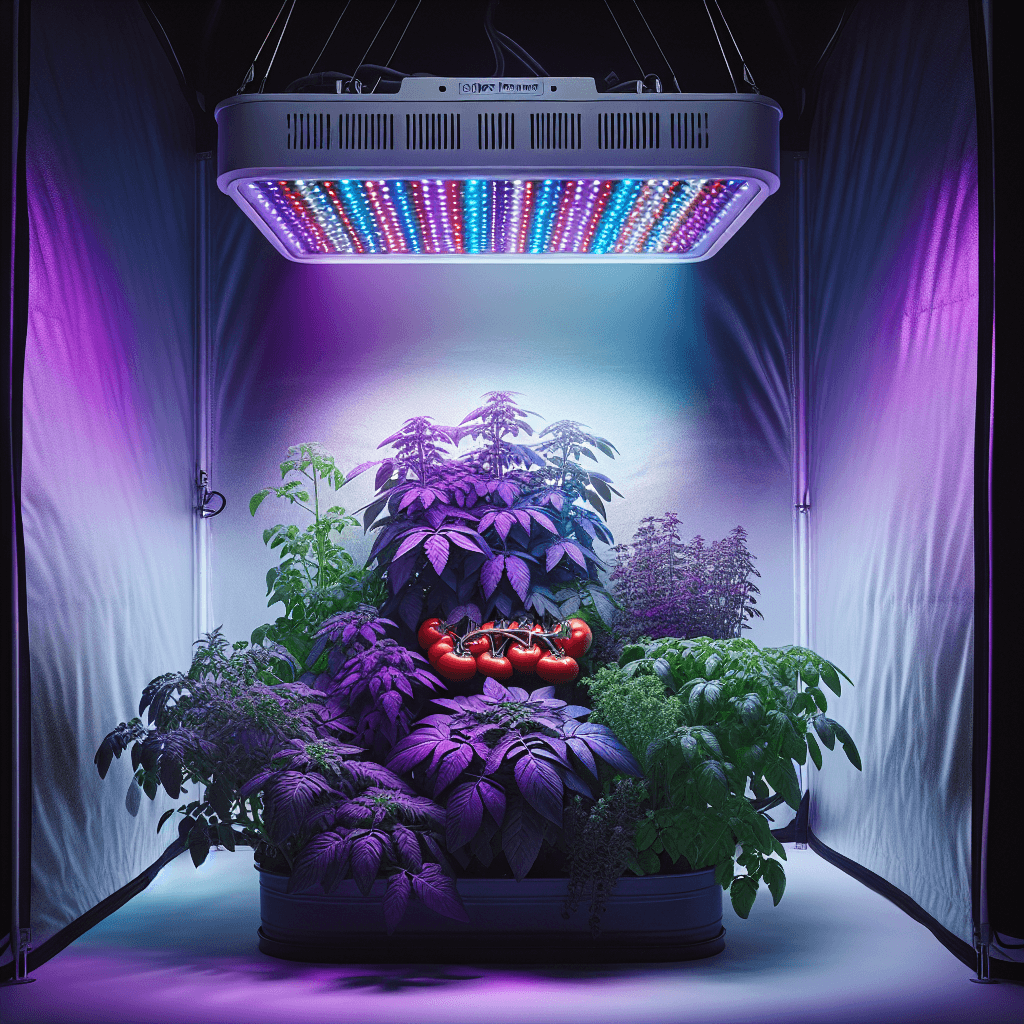
LED grow lights have revolutionised the way indoor gardeners cultivate plants, providing an effective, energy-efficient solution for growing a wide variety of crops indoors. As the demand for sustainable and efficient gardening solutions increases, understanding how to best utilise LED technology is essential for anyone looking to enhance their indoor garden. In this complete guide, we will cover everything you need to know about LED grow lights, their advantages over traditional lighting, key specifications, and how to choose the right setup for your space.
What Are LED Grow Lights?
LED grow lights are artificial light sources designed specifically to support plant growth by emitting light in the wavelengths that plants need for photosynthesis. Unlike traditional lighting options such as high-pressure sodium (HPS) or metal halide (MH) lights, LEDs are compact, energy-efficient, and have a longer lifespan. They produce minimal heat, which reduces the risk of overheating plants and eliminates the need for additional cooling systems.
LED grow lights are commonly used in various indoor growing setups, including grow tents, hydroponics systems, and indoor gardens. These lights are available in various spectrums, ranging from full spectrum to specific colour wavelengths, enabling gardeners to tailor their lighting to the needs of individual plants or growth stages.
Why LED Beats HPS and HID for Indoor Growing
There are several compelling reasons why LED grow lights are preferred over traditional HPS and high-intensity discharge (HID) lighting in indoor growing applications.
Energy Efficiency
One of the most significant advantages of LED grow lights is their energy efficiency. LEDs consume significantly less power than HPS or HID lights, leading to energy savings of up to 50% or more. This energy-efficient lighting option not only reduces electricity bills but also lowers the carbon footprint of indoor gardening.
Heat Output
LED grow lights generate less heat than traditional lighting systems. This is crucial for indoor growing, where high temperatures can stress plants and lead to lower yields. By minimising heat output, growers can maintain optimal temperature levels without the need for additional cooling systems, further reducing energy consumption.
Longevity
LED grow lights have a longer lifespan compared to HPS and HID lights, often lasting up to 50,000 hours. This durability means fewer replacements and lower long-term costs, making them a wiser investment for indoor gardeners.
Understanding Key LED Specs: PPFD, PAR, and DLI
When selecting an LED grow light, understanding the specifications is vital for ensuring optimal plant growth. Here are some key terms to become familiar with:
PPFD (Photosynthetic Photon Flux Density)
PPFD measures the amount of light (in micromoles) that reaches a specific area over time, typically measured in micromoles per square metre per second (μmol/m²/s). This is crucial for determining how much usable light your plants receive. Higher PPFD values generally correlate with better growth, but the optimal levels depend on the plant species and growth stage.
PAR (Photosynthetically Active Radiation)
PAR refers to the spectrum of light that plants use for photosynthesis, typically ranging from 400 to 700 nanometers. LEDs can be engineered to emit light specifically within this range, ensuring that plants receive the necessary wavelengths for optimal growth.
DLI (Daily Light Integral)
DLI quantifies the total amount of PAR received by a plant within a 24-hour period, measured in moles of light per square metre per day. Understanding DLI helps growers determine how much light their plants need based on their growth stage and species.
Choosing the Right LED Grow Light for Your Space
Selecting the right LED grow light for your indoor garden involves several considerations:
Assess Your Space
Consider the size of your grow area, whether it's a small closet or a large grow tent. Measure the dimensions to determine the coverage area and calculate the number of lights you may need.
Plant Types and Growth Stages
Different plants have varying light requirements. For example, leafy greens may thrive under lower PPFD levels, while fruiting plants may require higher intensity. Determine the species you will be growing and their specific light needs to choose the right LED grow light.
Budget and Features
While investing in quality lighting is essential, it’s also crucial to consider your budget. Look for features such as dimmable options, programmable timers, and full spectrum capabilities to enhance your growing experience without overspending.
Spider Farmer SF Series: Our Top-Rated LED Grow Lights
Among the best LED grow lights in the EU market, the Spider Farmer SF Series stands out for its exceptional performance and reliability. These lights are designed with the latest technology to provide optimal light output and efficiency.
Energy Efficiency
The Spider Farmer SF Series boasts an impressive energy efficiency rating, utilising high-quality Samsung diodes to maximise light output while consuming minimal power. This efficiency translates to lower energy costs for growers.
Full Spectrum Capability
With full spectrum capabilities, these lights provide the ideal wavelengths for all growth stages, from seedling to harvest. This versatility makes the SF Series a perfect choice for any indoor garden setup.
Durability and Design
The robust design of the Spider Farmer SF Series ensures longevity, while the sleek appearance fits seamlessly into any indoor garden aesthetic. Additionally, the lights are equipped with heat sinks that dissipate heat effectively, ensuring a cool growing environment.
How to Set Up and Position Your LED Grow Light
Proper setup and positioning of your LED grow light are crucial for maximising plant growth. Follow these steps for optimal results:
Hanging Height
The ideal hanging height for your LED grow light will vary based on the light's wattage and the plant species. Generally, lights should be positioned 12 to 24 inches above the canopy for optimal PPFD levels, adjusting as plants grow.
Light Schedule
Plants require a specific light cycle for optimal growth. Most plants thrive under 18 hours of light and 6 hours of darkness during the vegetative stage, while the bloom stage typically requires 12 hours of light and 12 hours of darkness. Consider using timers to automate this process.
Monitor Plant Response
Regularly monitor your plants for signs of stress, such as yellowing leaves or stretching. Adjust the light height and duration as necessary to ensure your plants receive adequate light without being overwhelmed.
Vegetative vs Bloom Lighting: Full-Cycle and Supplemental Options
Understanding the differences between vegetative and bloom lighting is essential for successful indoor growing.
Vegetative Lighting
During the vegetative stage, plants require blue light wavelengths, which promote healthy leaf and stem growth. LEDs designed for vegetative growth typically emphasise these wavelengths for optimal results.
Bloom Lighting
As plants transition to the bloom stage, they require more red light wavelengths to promote flowering and fruiting. Full spectrum LED grow lights offer the flexibility to support both stages, eliminating the need for multiple lighting setups.
Supplemental Lighting
In some cases, supplemental lighting may be necessary to meet specific plant needs. Consider using veg lights for additional support during the vegetative stage or to enhance light intensity during critical growth periods.
Pairing LED Lights with a Complete Grow Tent Kit
For the best indoor gardening experience, pairing your LED grow light with a complete grow tent kit is highly recommended. These kits typically include everything you need for a successful indoor garden, including:
Grow Tent
A quality grow tent provides a controlled environment, enabling you to manage temperature, humidity, and light effectively. The reflective interior maximises light efficiency, ensuring your plants receive the optimal amount of light.
Ventilation System
Proper ventilation is crucial for maintaining optimal growing conditions. Most grow tent kits come with built-in ventilation systems to ensure adequate airflow and temperature control.
Accessories
Many grow tent kits include accessories such as fans, filters, and trays, simplifying the setup process and ensuring your indoor garden thrives from day one.
FAQ
What are the benefits of using LED grow lights for indoor gardening?
LED grow lights offer significant energy savings, produce less heat, and have a longer lifespan compared to traditional HPS and HID lights, making them an ideal choice for indoor gardening.
How do I determine the right PPFD for my plants?
The optimal PPFD levels depend on the type of plants you are growing and their growth stage. Research specific light requirements for your plant species to determine the ideal PPFD.
Can I use LED lights for both vegetative and bloom stages?
Yes, many full spectrum LED grow lights are designed to provide the necessary wavelengths for both vegetative and bloom stages, eliminating the need for separate lighting setups.
How far should I hang my LED grow light above my plants?
Typically, LED grow lights should be positioned 12 to 24 inches above the canopy, but this can vary based on the wattage of the light and the specific needs of your plants.
Do I need a grow tent for LED grow lights?
While it's not mandatory, using a grow tent optimises your indoor growing environment, allowing for better control of light, temperature, and humidity.
Final Thoughts
LED grow lights have transformed the landscape of indoor gardening, offering growers an energy-efficient, effective, and versatile lighting solution. Whether you are setting up a small indoor garden or a comprehensive grow tent system, understanding how to choose and utilise LED grow lights is essential for achieving optimal plant growth. Explore our range of LED Grow Lights and discover the benefits of the SF Series LED Grow Lights for your indoor garden today. With the right setup, you can cultivate a thriving indoor garden that flourishes year-round.